
9/11 at NAPS
NAPS Alumni from the Class of 2006 Reflect on 9/11, Their Commitment to Serve
On the morning of 9/11, students at the U.S. Naval Academy Preparatory School (NAPS) in Newport, RI, were in class when word spread that a plane hit the World Trade Center. Like many Americans, they initially assumed it had been an accident.
Among those students was Commander Joshua M. Angichiodo ’06, USN (Ret.), who was in physics class when reports emerged. When the second aircraft struck the south tower, there was no longer any doubt that the nation was under attack.
Students were directed back to their barracks, where they watched events unfold on television. In the hours and days that followed, uncertainty spread throughout the student body. What would happen next? How would the attacks affect their future service?
For many at NAPS, those questions were deeply personal. A significant number of candidates had already served in the fleet or Marine Corps and had friends and former shipmates still on active duty. Many felt a strong desire to return to operational units.
“People had to be talked off the ledge because they felt it was imperative, it was urgent to get into the fight,” Angichiodo said.
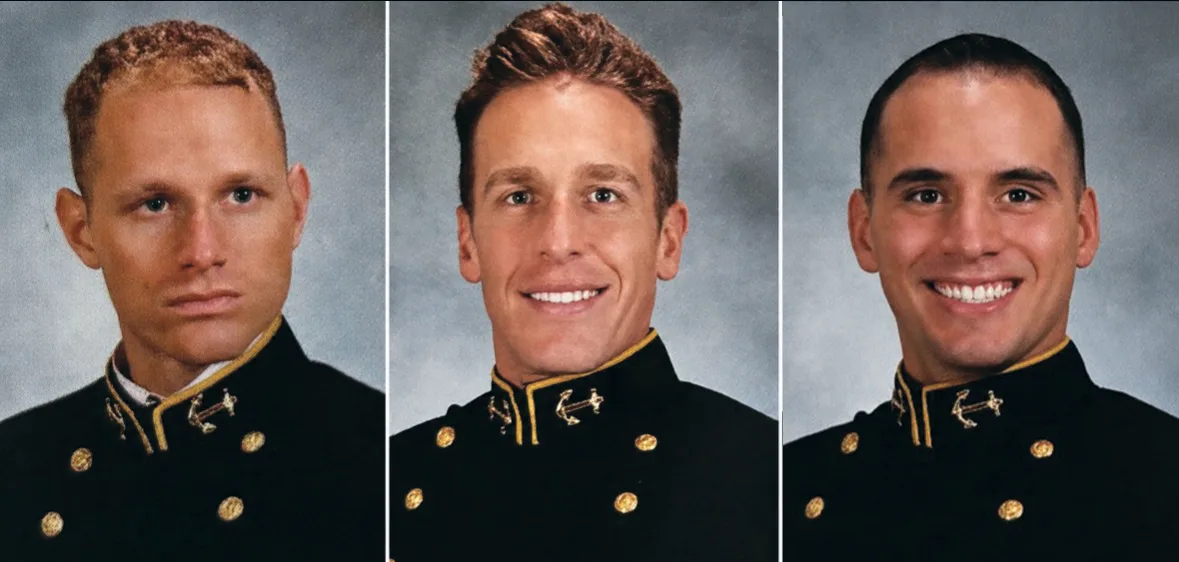
Angichiodo said commanding officer Captain Bruce S. Bole ’78, USN (Ret.), addressed those concerns.
“I know a lot of you guys are itching to go get in the fight,” Angichiodo recalled Bole saying. “But your place is here, and you’re going to get your chance.”
At the time, many students struggled with that guidance. Looking back, Angichiodo believes Bole understood exactly what lay ahead.
In the days following the attacks, security measures increased across the installation. Students stood round-the-clock watches as uncertainty remained over whether additional threats would follow. Among those helping coordinate the response was Major Jason P. Bowers ’06, USMC (Ret.), who served as Midshipman Candidate Battalion Commander.
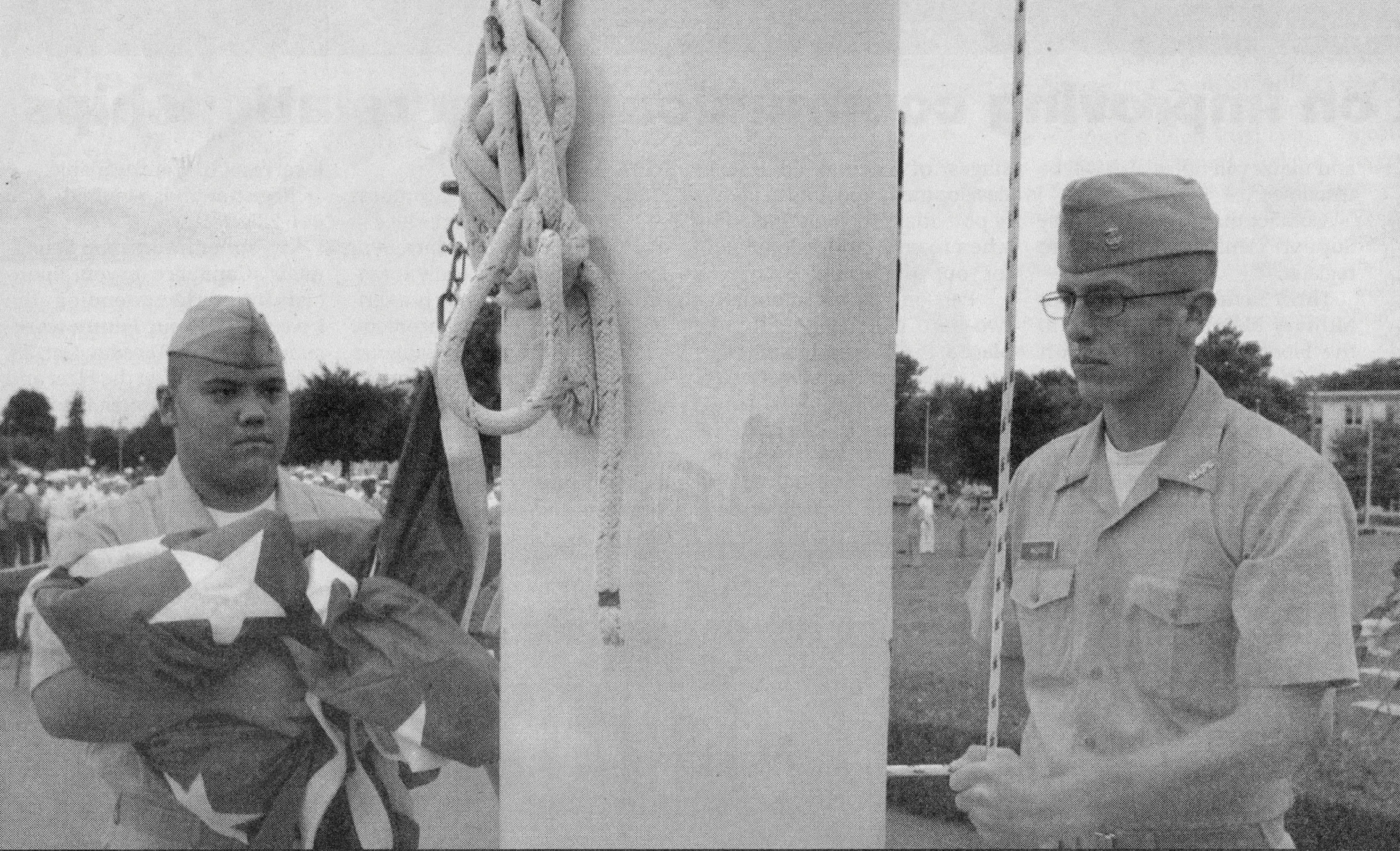
“We had a 24/7 watch on all exterior parts of the building,” Bowers said. “Everybody felt inclined to pitch in.”
The attacks also transformed the atmosphere at NAPS. Before 9/11, students remember the usual routines of military preparatory school: academics, training and camaraderie. Afterward, many became more focused on the purpose behind that preparation.
“It shifted into a more serious tone of, ‘Hey, let’s get ready for what’s coming,’” said Major Michael Kuiper ’06, USMC (Ret.).
A prior-enlisted Marine, Kuiper served as a mortarman and later in a sniper platoon before arriving at NAPS. Watching friends prepare for possible deployment while he remained in the classroom left Kuiper conflicted. He applied to the Naval Academy three times and knew this might be his only opportunity to attend, but staying in school felt like leaving his Marines behind.
“My friends were going into danger. I trained with them. I had a very close bond with them,” Kuiper said. “I didn’t want to feel like I was abandoning them by going to school.”
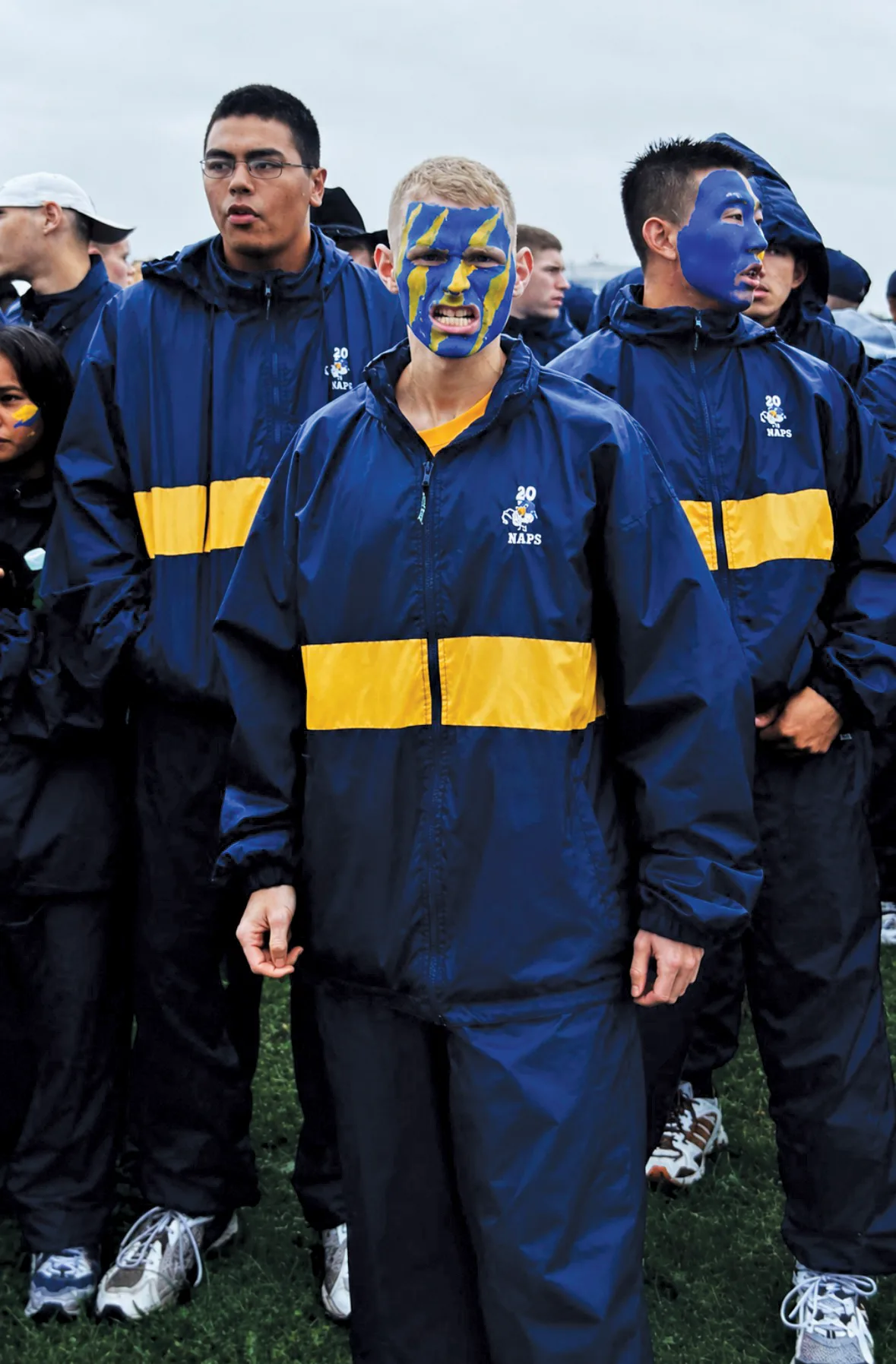
Kuiper called his former unit and spoke with his friends. Their response helped convince him to stay the course.
“They said, ‘We know you tried really hard to go to school. The fight will still be there when you get out of school. It’s important for you to finish school,’” he remembered.
Looking back, Kuiper said their advice proved correct.
“I joined the fight later on many times,” he said.
For many members of the future Class of 2006, 9/11 reinforced the weight of the leadership responsibilities they were preparing to assume. Prior-service students frequently became mentors to classmates whose exposure to military life had been more limited.
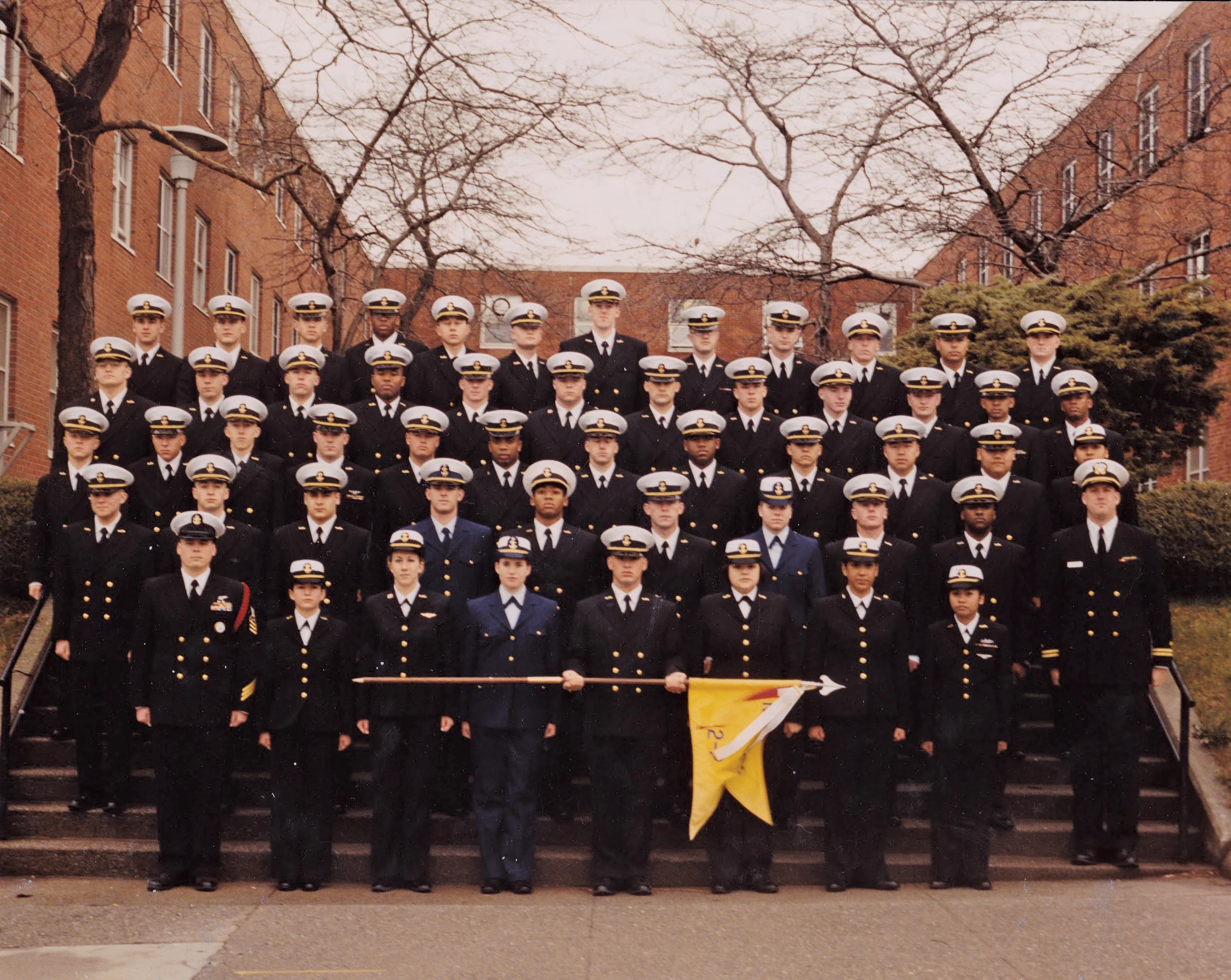
“We [prior-service students] became the trusted mentors for everybody else.”
— Major Jason P. Bowers ’06, USMC (Ret.)
“We became the trusted mentors for everybody else,” Bowers said.
Kuiper remembers the attacks less as a shared trauma than as a catalyst that sharpened the class’s sense of responsibility. The students around him, he realized, would soon become officers leading enlisted sailors and Marines, including people like those with whom he had already served.
“This was the future of the leadership of our naval forces,” Kuiper said. “That was real to me.”
The shared experience also strengthened relationships that would carry into the Naval Academy and beyond. Angichiodo described the connection as even stronger than the traditional NAPS bond. Kuiper echoed this sentiment.
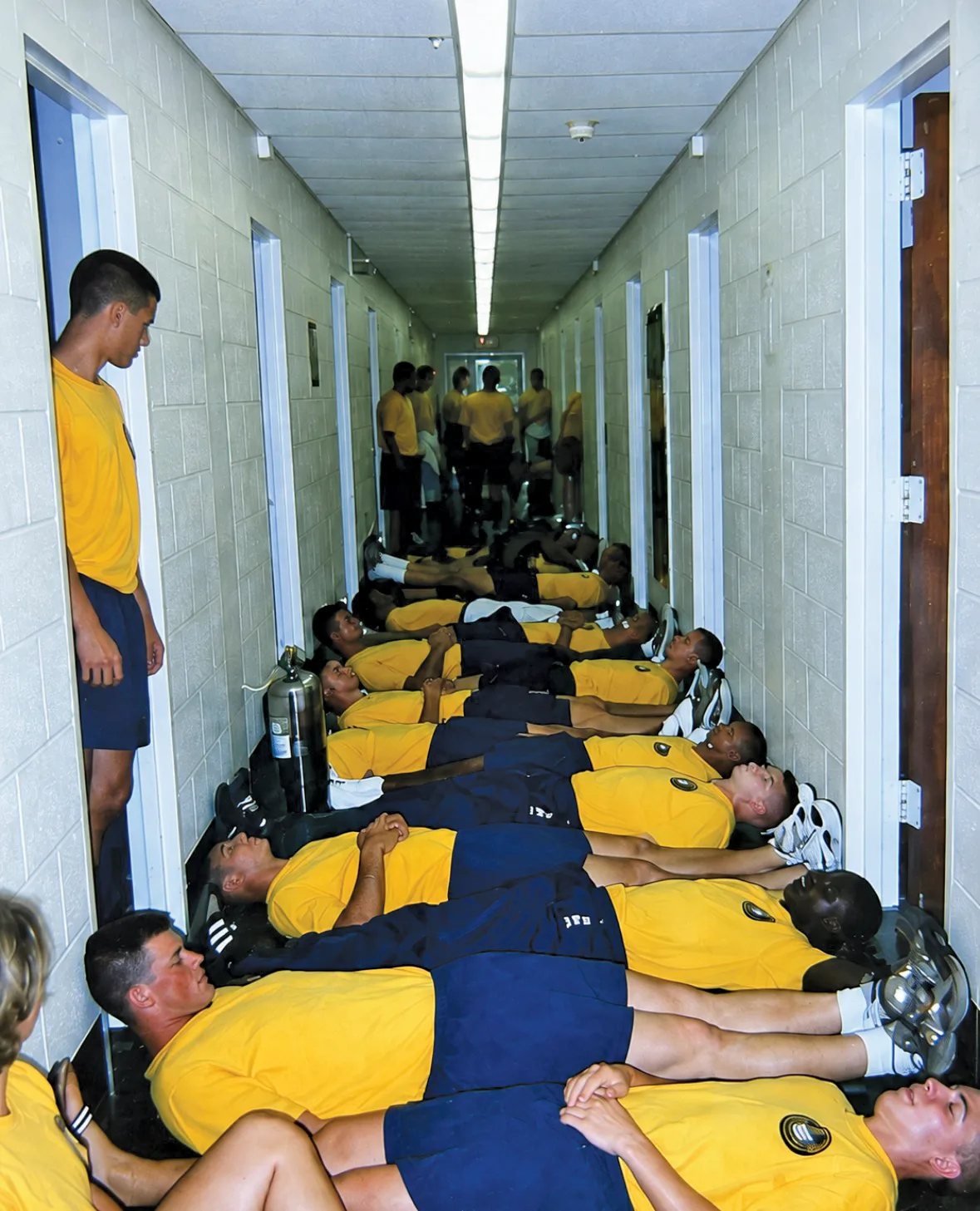
“Traditionally, NAPS classes have been very tight,” he said. “I think ours was especially tight because of what happened.”
Bowers added that, more than two decades later, some members of the group remain in regular contact, with some communicating daily. The students who watched the attacks unfold from Newport would go on to serve throughout the wars that followed, assuming the leadership responsibilities they had only been preparing for that September morning.
Twenty-five years later, the significance of that morning remains inseparable from the story of the Class of 2006.
“It defined our class,” Kuiper said.
Those who stood watch, debated whether to stay or leave, and committed themselves to the path ahead remain connected by a shared memory of where they were when history changed direction. Their bond endures not because they witnessed 9/11 together, but because they answered the challenge that followed. ⚓